Photo of a bag of Wilter Guillermo Lomas Lopez

Ecuador Wilter Guillermo Lomas Lopez

It’s the fourth time that Wilter Guillermo’s coffee (from Finca La Colina) makes it to our VS department. It’s clean and beautiful.

Sorry, sold out!

Varieties: Typica, Sidra
Process: washed

Flavour: white grape, sugarcane, lemon sorbet

Body:   Acidity:

Roast: Omni (filter + espresso)

Origin story and details

Producer: Wilter Guillermo Lomas Lopez
Farm / Cooperative: Finca La Colina
Region: Parroquia, Ecuador
Altitude: 1370m above sea level

VERY SPECIAL

You may remember La Colina’s previous VS features—a balanced mixed variety lot in March 2024, a lovely washed Sidra shared in March 2023 and a silky washed Typica in May of the same year.

The lot we’re sharing this time is again a mix of both varieties that are still worthy of a spot in our VS department, but this time, not on the subscription!

First is the varietal, Sidra. As we mentioned back then, it’s rare, not even listed on the World Coffee Research archive. Some whisper that it “originated from a Nestlé coffee breeding facility in the region, which developed hybrids using Ethiopian and Bourbon varieties.” Something more solid is its reputation for cupping potential, as more and more World Coffee Championship competitors choose it alongside Gesha.

Second is the higher-than-average price. Compared to similar quality lots from other origins, this one sits on the top end. This is due to a complex combination of political, economic and social factors (that we’ll try to summarise below).

Because of this, and because its cupping presence and flavour profile are as refined as they get, this lot by Guillermo Walter from Finca La Colina gets our dear Very Special stamp.


ECUADOR: IT’S COMPLICATED

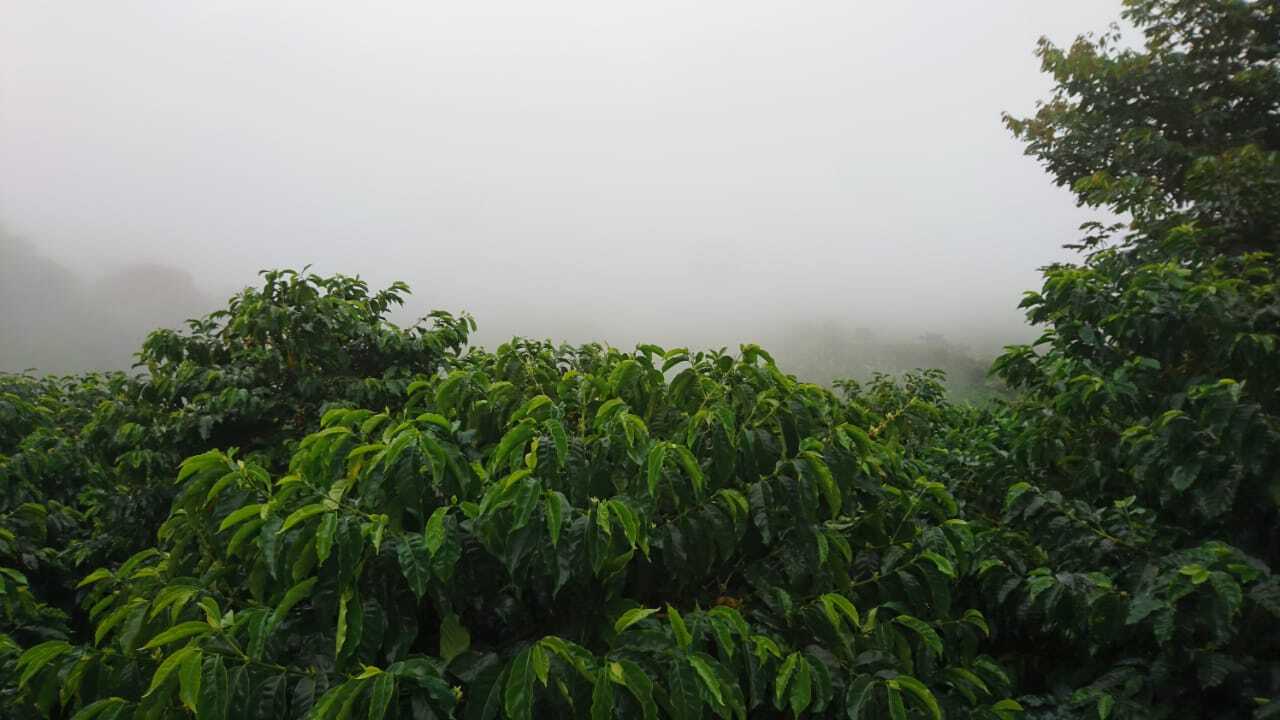
As Caravela Coffee tells us, the high price of Ecuadorian green coffees comes down to (1) low national supply/high global demand, (2) low productivity and yields compared to other producing countries and (3) very high costs of production (~2 times more expensive compared to its neighbours, caused by Ecuador’s dollarized economy). Add to this the toll of emigration, pushing the average age of farmers to “60 years old”. It really is complicated.

If we dig deeper, we find a curious aspect that may contribute to this global imbalance: Ecuador’s status as one of the largest exporters of instant coffee. Yes, quite weird.

While the country produces a small portion of the global green coffee output, it’s one of the largest exporters of instant coffee (mainly to Germany and Russia, where this country has a wide presence and established reputation). To do that, they import high volumes of green coffee from other countries like Vietnam, which they mix, process and finally sell as a finished soluble (Ecuadorian) product.

For national coffee producers, it’s easy to enter this established market; it offers low risk and decent rewards. On the contrary, producing specialty coffee brings a lot of unknowns, fierce global competition and selling prices that are hard to match. No wonder there are few who dare.

On the bright side, looking at the future, there is a blooming generation of growers who believe there’s a fair life and business to be made by producing high-quality arabica beans. One of them is Wilter Guillermo—respect.


WILTER GUILLERMO’S GIG

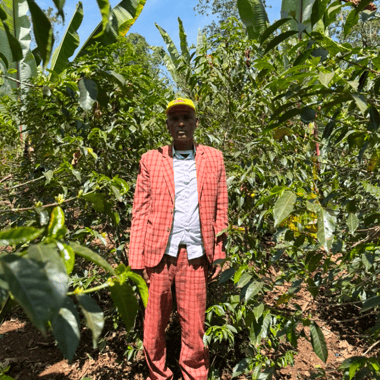
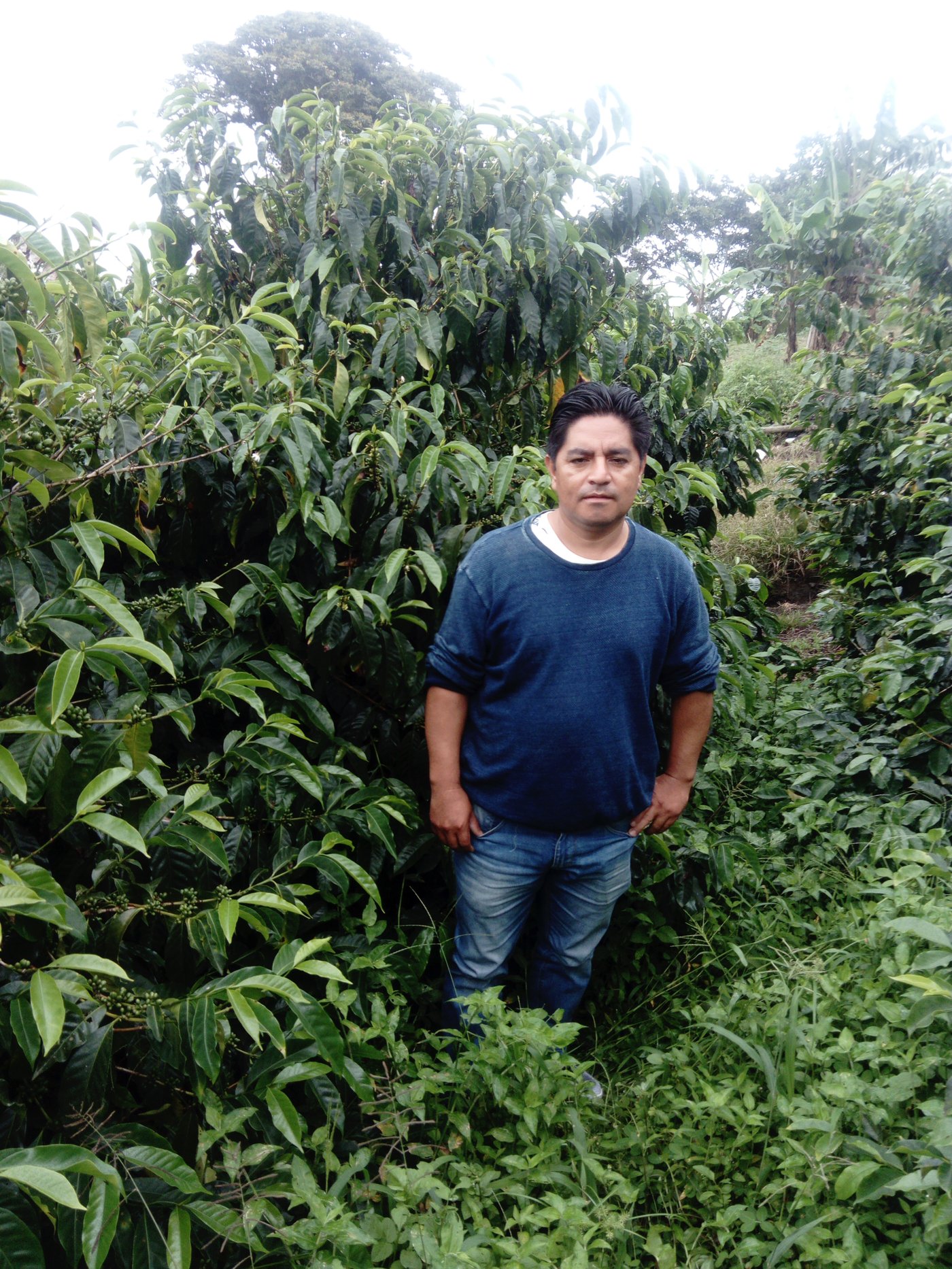
Like everyone here, Guillermo’s days start with a cup of coffee; he loves drinking it. Unlike everyone here, Guillermo decided to transform this passion into his profession, and even though he had no experience, he started his own coffee farm—Finca La Colina.

In 2014, he planted the first coffee trees. Even though he didn’t know much, the first harvest went relatively well; he made mistakes, and he learnt from them, but he also had many wins. It was all personal growth and self-learning, a dream come true.

In 2016, he produced a decent output: 540 kilograms of high-quality dry parchment that entered the specialty coffee market and, later that year, achieved 5th place in the Taza Dorada competition. Not bad for a beginner.


TYPICA VARIETAL

Typica is rare to see these days. It’s not because it’s a new variety—its origins can be traced back to sometime in the 15th or 16th century when it was taken to Yemen, then India, Java, Netherlands, Paris… and finally, Central America.

Until the 1940s, most coffee plantations in South and Central America were planted with Typica, but due to its low yield and high susceptibility to major coffee diseases, it has gradually been replaced with other varieties. Today, it’s still mainly planted in the Dominican Republic, Jamaica (where it is called Jamaica Blue Mountain)and Peru because it still offers a good or high-quality cup.

Learn more about the long travels of Typica at the World Coffee Research page, from which we’ve sourced this information.


SIDRA VARIETAL

Sidra (also known as Sydra or Bourbon Sidra) is a relatively new hybrid varietal descending of Red Bourbon and Typica. It has acquired the sweetness and the body of the first and the bright taste and acidity of the second.

According to Daily Grind, it is believed that Sidra comes from the Pichincha province in Ecuador, where it may have been created as a research project by a Nestlé local breeding facility that developed hybrids using Ethiopian and Bourbon varieties.


THIS LOT’S PROCESS

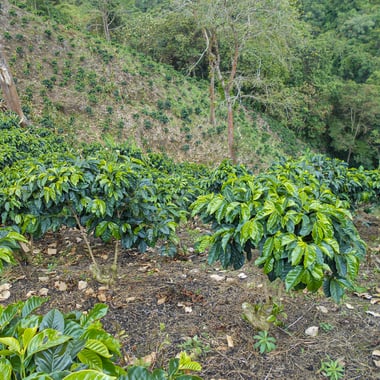
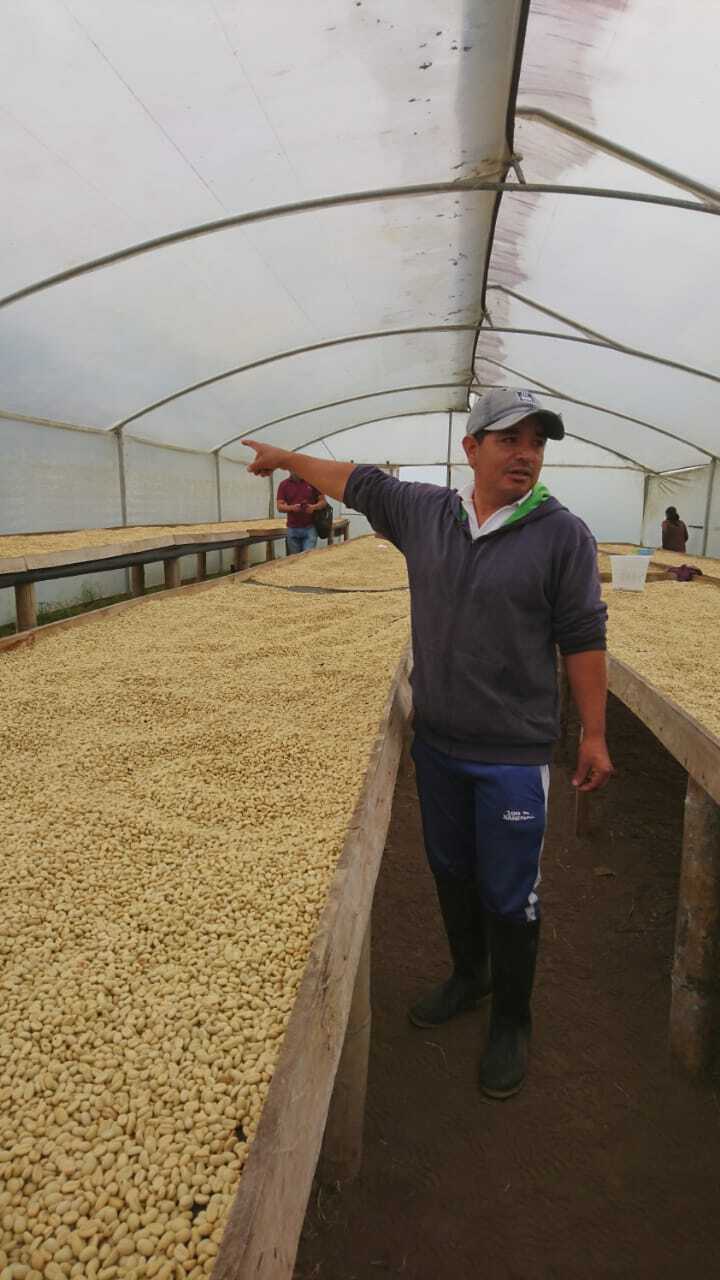
The cherries have grown at a relatively low altitude (~1370 masl) under partial shade provided by Guamo and Plantain trees. After being picked completely ripe, they’ve been fully washed and fermented for 14 hours, then dried on raised beds in a covered patio.


Traceability

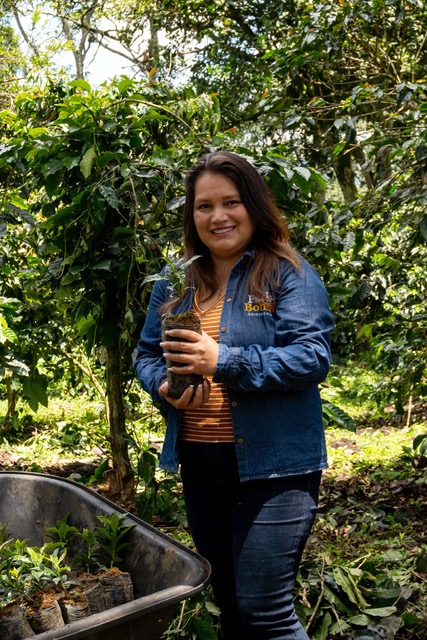
100% Typica, Sidra coffee beans, provided by Caravela and roasted by us on Gadigal land / Sydney.

Country grade: Unknown ?


This page has all the sourcing information (variety, process, region, story, importer, harvest date, and more) that our importers share with us for public use.

Being transparent helps us to talk confidently about the quality and background of the products we sell. It also helps you to know exactly what you’re buying.

Learn more:
Coffee page transparency legend
Our coffee philosophy
Our business approach

Fresh harvest sourcing

We only source and roast coffee from each country’s latest harvest season (so the green coffee is never older than 1 year from the time of picking, processing and packing).

This ensures the sensory qualities are always at their peak and unaffected by excessive ageing.

Learn everything about this coffee:


Roasted for espresso and filter (best enjoyed black)

Roast style: omni. Omni roasts are designed to brew and taste great both as espresso and filter. Our omni single origins generally sit on Agtron values in the ~70-60 value range. So, technically, they are somewhere in the lighter side of the medium spectrum.

Designed for espresso and filter brewing. Best enjoyed black.


Learn more:
Our Loring Kestrel S35 roaster
Our roasting style and approach

Try our custom brewing recipes

Our recipes and ratios are tailored to our coffee sourcing and roasting styles, bringing the best flavour and feel out of each coffee.

For pour over, immersion, and other filter brewing styles, check all our brew guides.

For our espresso single origins, we recommend a coffee:yield ratio of 1:3:

  • Dose: 20g ground coffee
  • Yield: 60g espresso
  • Total brew time: ~24-28 seconds

This is just a starting point! We encourage you to experiment, taste, and adjust to find the recipe that you enjoy the most.


Learn more:
Our espresso brew guide (single origin)
Brewing ratio calculator

Packaging and materials

  • Bags: ABA-certified home compostable (AS 5810-2010)
  • Labels: recyclable
  • Valves (only on +250g bags): general waste
  • Box and tape (online orders): recyclable

Learn more:
Our packaging

Brewing coffee at home

Best brewed 15–49 days post-roast

When you leave your whole beans to rest (inside the sealed bag) until our recommended window, you’re brewing at optimum flavour and acidity.

This time allows for the gas compounds, absorbed during the roasting process, to leave the coffee. If you brew too early, it may not be bad, but you’ll miss out on each coffee’s best flavour.

Our recommended brewing window

FAQs

Do you ship anywhere in Australia?

Yes! We deliver our coffee and brewing gear Australia-wide, roasted to order and in compostable and recyclable packaging.

Do you ship internationally?

We ship coffee beans to select international countries. Check the list to see if we ship to your destination.

Can I buy pre-ground coffee?

Yes, we offer pre-ground options for different methods:


- Ground for domestic espresso (home espresso machine)
- Ground for stovetop (Bialetti)
- Ground for AeroPress / Kalita / Cold Brew / Moccamaster / Plunger / French Press (immersion style)
- Ground for V60/Chemex (pour over style)

Do you source your coffee ethically? How so?

We source our coffee from small growers, producers, and cooperatives through responsible importing companies; 95% of our green coffee beans are supplied by Caravela Coffee, Cafe Imports, Osito, and Melbourne Coffee Merchants (certified B Corporations), plus Condesa Co Lab, Cofinet, and a few more.

We share all the traceability information we have about each coffee lot (territory of origin, producer, variety, processing method, importer, quality grade) on each dedicated coffee page. This applies to the blend components in our espresso blends.

Learn more about our coffee philosophy.

Do you roast dark or light?

We roast our single origins using omni roast medium/light profiles. (Omni means you can use the coffee both for filter and espresso brewing, no need to buy different bean bags with specific roast styles.)

We roast our espresso blends using darker profiles.

Learn more about our approach to roasting.

What is ‘specialty coffee’?

The definitions and references to specialty coffee are tricky, if not controversial.

Historically, and as most people see it these days, specialty coffee is Arabica beans that score over 80 in the old Specialty Coffee Association point scale. Today, the SCA refers to specialty coffee as “a coffee or coffee experience that is recognised for its distinctive attributes, resulting in a higher value within the marketplace.”

Our single origins are Arabica +85 SCA score and our blend components Arabica +80, which could be considered ‘true specialty’ coffee. Though we prefer to use the term ‘high quality’ and back this claim with solid traceability data.

What’s the benefit of your coffee subscription?

When you subscribe, you get freshly roasted coffee delivered as often as you need, so you don’t have to be so hands-on in planning your coffee purchases.

Also, you get free shipping on every delivery, and you can cancel or pause whenever you need – no lock-in periods.

Can I buy these beans in your coffee shops?

Yes, definitely! You can walk into any of our cafes in Sydney (or our wholesale network) and grab what’s available on the shelves. You can also buy online here and select free pickup from the Sample Coffee stores.


See all our FAQs

Sample Coffee Roasters warehouse in St Peters, Sydney

With love, from Sample

We’re an independent coffee roasting company based in Gadigal land / Sydney, Australia

We’ve been sharing exceptional coffees since 2011, with a particular focus on rotating single origins, ethical sourcing, and homebrewing accessibility.

Our daily work is driven by quality, consistency, transparency, and fun. This approach has slowly and organically connected us with a community of homebrewers and professionals who value how we do business and, above all, love delicious coffee beyond the hype.

Learn about us

Current coffees

All our current coffees