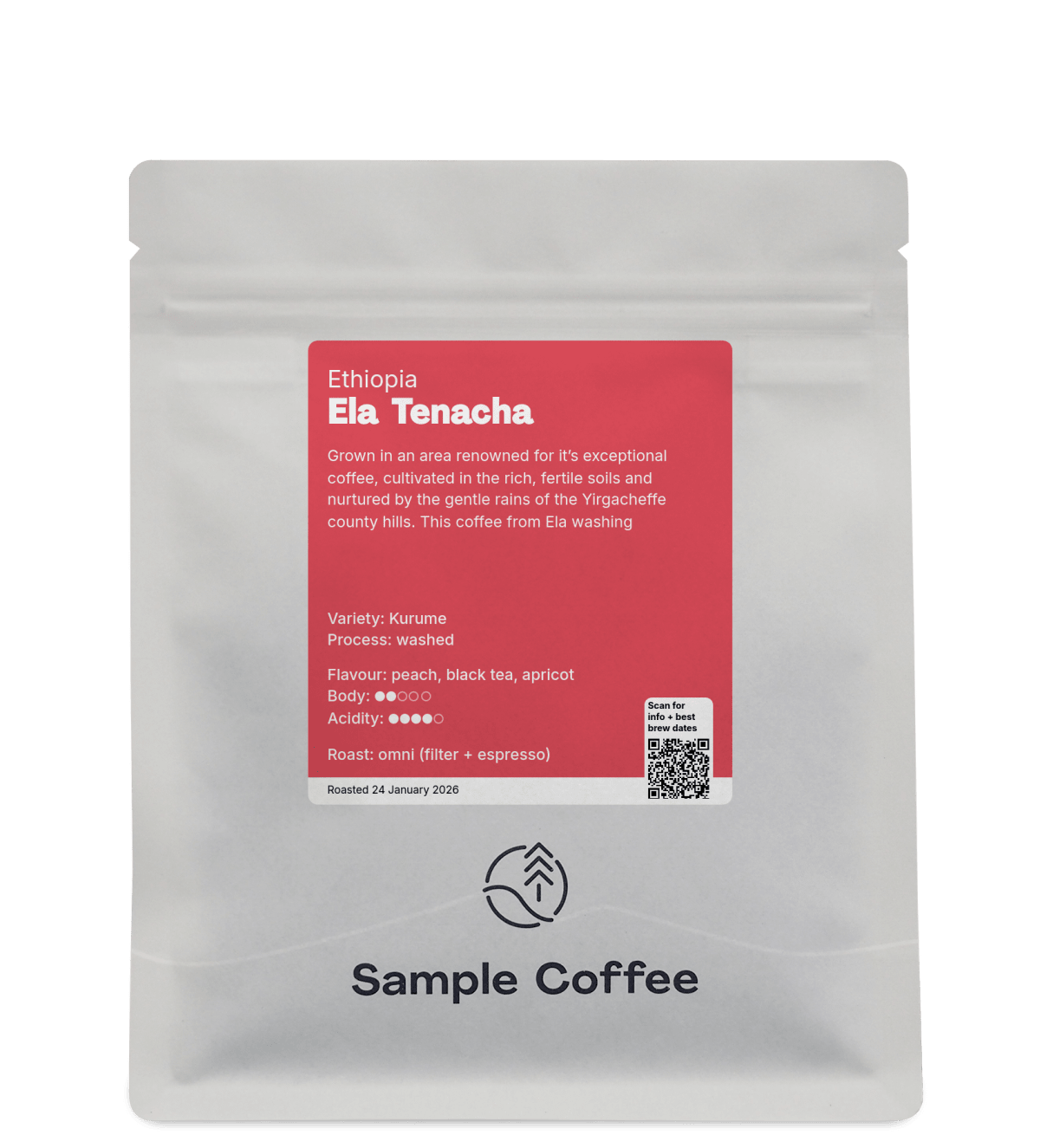
Photo of a bag of Ela Tenacha Photo of a bag of Ela Tenacha

Ethiopia Ela Tenacha

Grown in an area renowned for it’s exceptional coffee, cultivated in the rich, fertile soils and nurtured by the gentle rains of the Yirgacheffe county hills. This coffee from Ela washing station has notes of peach, black tea, apricot.

Sorry, sold out!

Variety: Kurume
Process: washed

Flavour: peach, black tea, apricot

Body:   Acidity:

Roast: Omni (filter + espresso)

Origin story and details

Producer: Ela Tenacha
Farm / Cooperative: Ela Tenecha
Region: Yirgacheffe, Ethiopia
Altitude: 2100m above sea level

Story and history written by Getu Bekele

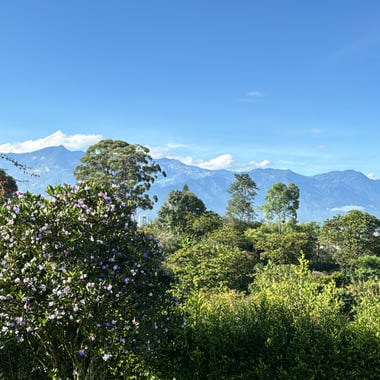
In the heart of Ethiopia, nestled within the verdant hills of Yirgacheffe county, lay the village of Ela Tenecha. This area is renowned for their exceptional coffee, cultivated in the rich, fertile soils and nurtured by the gentle rains. Among the winding paths and terraced fields of coffee trees, two boys, Ashebir and Ashenafi, grew up side by side, their laughter and friendship intertwined with the rhythm of the coffee seasons. From a young age, Ashebir and Ashenaf were inseparable. They spent their days playing among the coffee trees, their afternoons filled with the scent of ripening cherries and the hum of insects. Their families were farmers, deeply rooted in the coffee culture that had sustained their community for generations. As they grew, so did their understanding and appreciation of the delicate process that transformed coffee cherries into the beloved beverage enjoyed around the world.

The years passed, and the boys became men. Ashenafi, with his keen eye for detail and love for machinery, found work in a nearby town, learning the intricacies of coffee processing equipment. Ashebir, with his natural leadership and deep connection to the land, stayed in the village, managing his family’s farm and fostering relationships with local farmers. And, he has been also actively involved in coffee supplying (Akrabi) trade. Despite their different paths, their bond remained strong, and they often dreamed of a way to give back to their community and elevate the quality of their beloved Yirgacheffe coffee.

In early 2021, as the world grappled with change and uncertainty, Ashebir and Ashenafi saw an opportunity. With their combined skills and deep-rooted passion, they decided to establish a coffee washing station in Ela Tenecha. The station would not only process the coffee cherries but also ensure that the farmers received fair compensation for their hard work, fostering a sustainable and prosperous future for their community. They named their venture the Ela Tenecha Coffee washing station, honoring the village that contributed to their shared dream. Ashenafi’s experience with machinery and processing proved invaluable as he set up the washing station, meticulously calibrating the equipment to handle the delicate Kurume coffee cherries that were so prized in the region. Ashebir, with his extensive network and understanding of the local farming community, reached out to farmers in Ela and Bowicha, convincing them of the benefits of bringing their red cherries to the new washing station.

By November, as the coffee harvest began, the washing station was ready. The air buzzed with excitement and anticipation as the first deliveries of ripe, red cherries arrived. Ashebir and Ashenafi worked tirelessly, overseeing the sorting, pulping, and fermentation processes. They ensured that each batch of coffee was handled with the utmost care, preserving the unique flavors and characteristics of the Kurume variety.

Farmers from Ela and Bowicha villages marveled at the transformation. The washing station allowed them to produce higher quality coffee, fetching better prices in the market. As the harvest season stretched from November to January, the washing station became a bustling hub of activity, drawing together the community in a shared purpose. They became acquainted with G Broad, a specialty coffee exporting company that works closely with smallholder coffee farmers in the area, and initiated promising discussions about producing high-quality coffees for the international market. Through G Broad, Condesa discovered Ela Washing Station and sampled their excellent coffees. This marks Condesa’s second year purchasing from this washing station.
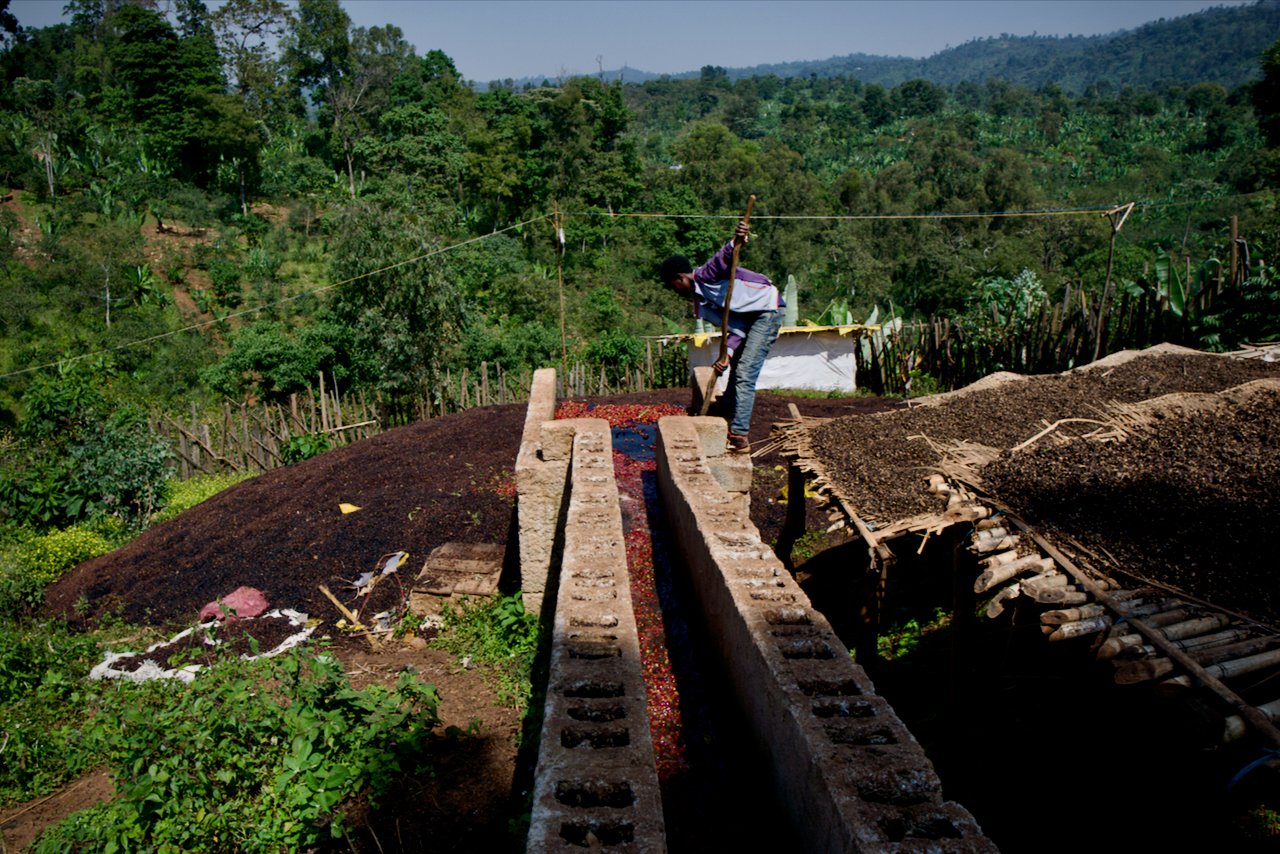
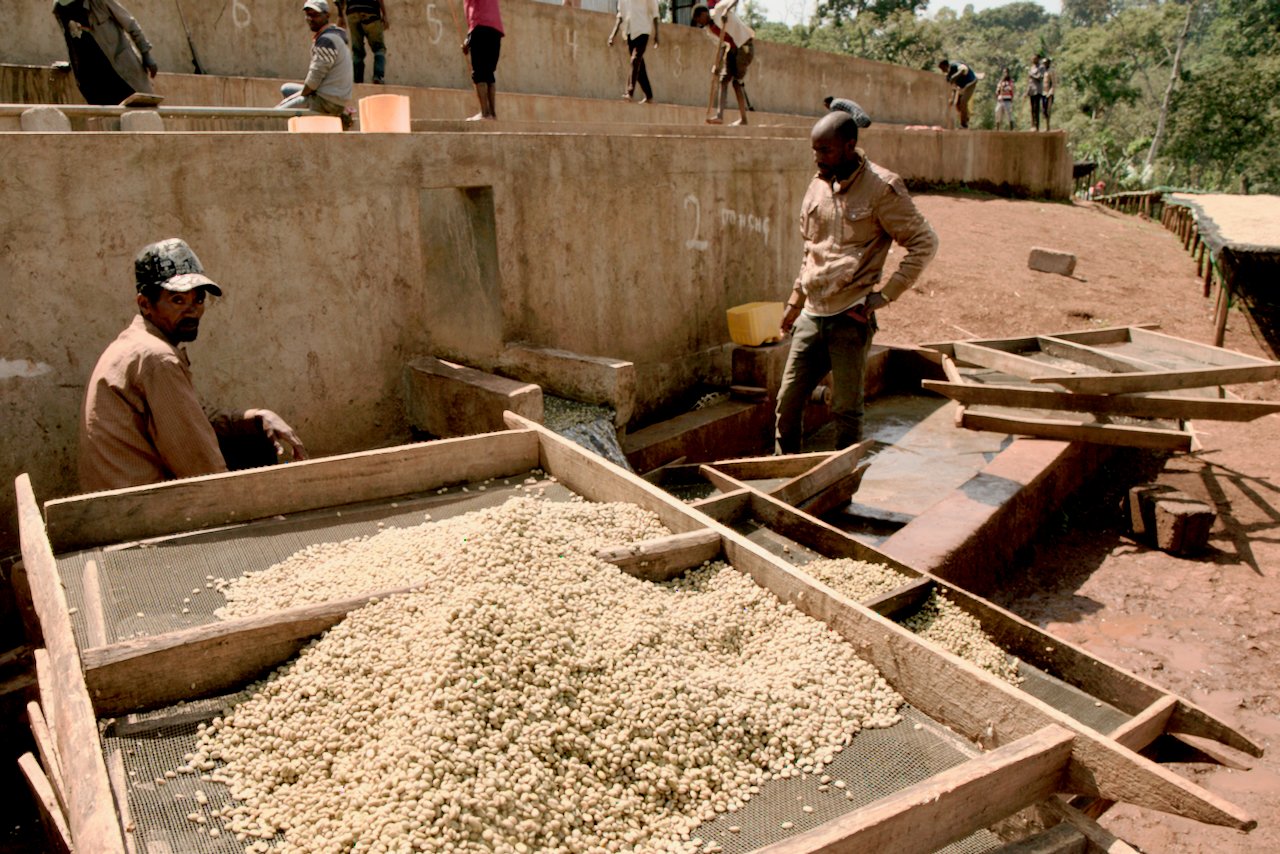

Coffee processing

Hand-picked coffee cherries undergo sorting to remove unripe, lighter, overripe, and insect/pest-damaged cherries, leaving only well-ripened red cherries for pulping. A locally made coffee processing machine called Agard is used for pulping. Immediately after pulping, the coffee is soaked in water for 60-72 hours to undergo wet fermentation. The fermentation time changes based on the daily atmospheric temperature level. The water is changed every 24 hours during this period. The fermentation round is complete when the mucilage is entirely removed, confirmed by washing the parchment coffee with clean water.

Clean parchment coffee is then briefly soaked in a soaking tank for 2 to 4 hours before being transferred to a skin-drying stage, where it is spread out by hand under shade. This process typically lasts for 2 to 4 hours in the morning. The skin drying stage is followed by the final main drying stage. In this phase, the parchment coffee is transferred to a raised drying bed and remains there for 10 days until the bean moisture level reaches 10.0-10.5%. To maintain uniform drying among beans, the parchment coffee is set under the sun for two hours in the morning between 8:30 and 11:00AM. To protect the parchment coffee from the hottest hours of the day, it is covered with nylon mesh and plastic between 11:30 AM and 3:00 PM. In the afternoon, the parchment coffee is uncovered for another two hours between 3:00 PM and 5:00 PM. This routine is carried out throughout the main parchment coffee drying period.
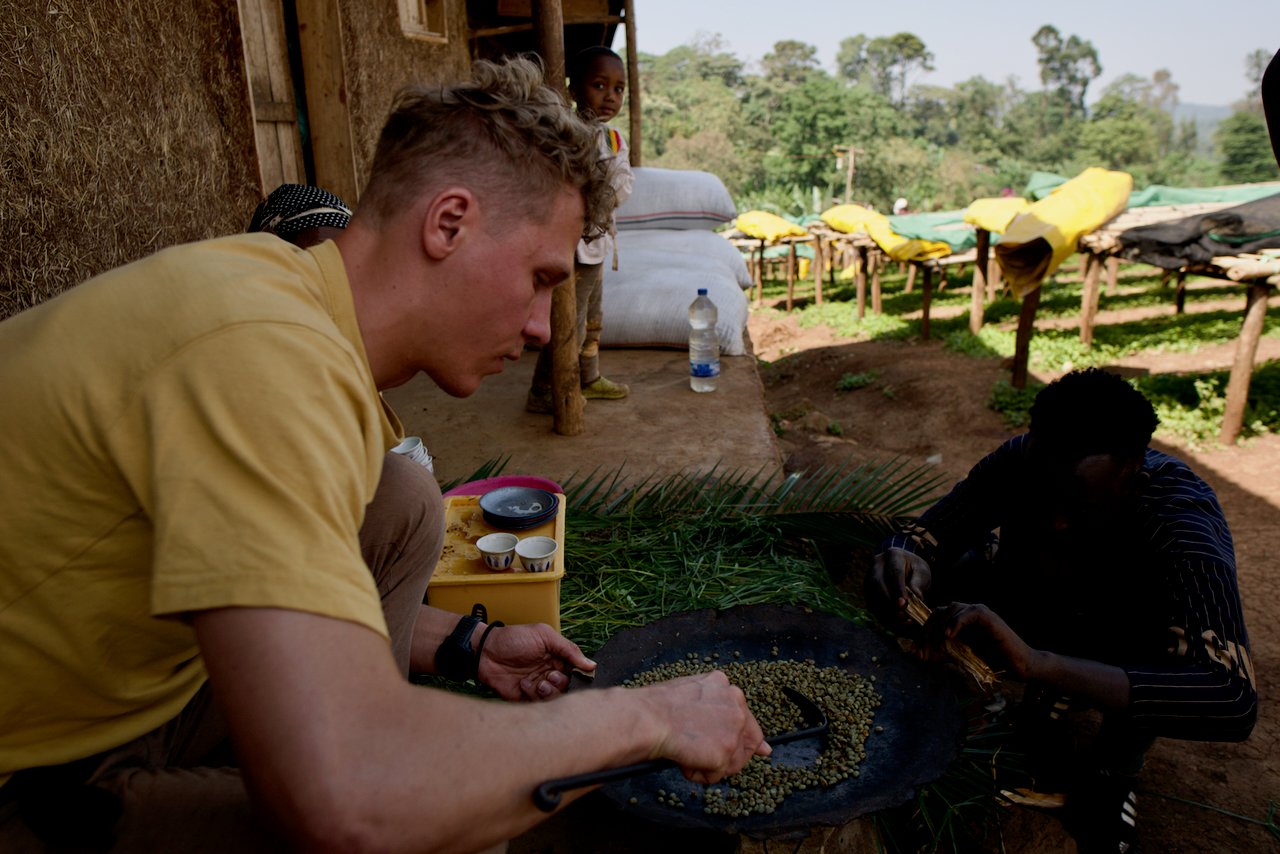

Traceability

100% Kurume coffee beans, provided by Condesa Co Lab and roasted by us on Gadigal land / Sydney.

Country grade: Grade 1 (Ethiopia) ?


This page has all the sourcing information (variety, process, region, story, importer, harvest date, and more) that our importers share with us for public use.

Being transparent helps us to talk confidently about the quality and background of the products we sell. It also helps you to know exactly what you’re buying.

Learn more:
Coffee page transparency legend
Our coffee philosophy
Our business approach

Fresh harvest sourcing

This coffee was harvested in November 2023.

We only source and roast coffee from each country’s latest harvest season (so the green coffee is never older than 1 year from the time of picking, processing and packing).

This ensures the sensory qualities are always at their peak and unaffected by excessive ageing.

Learn everything about this coffee:


Roasted for espresso and filter (best enjoyed black)

Roast style: omni. Omni roasts are designed to brew and taste great both as espresso and filter. Our omni single origins generally sit on Agtron values in the ~70-60 value range. So, technically, they are somewhere in the lighter side of the medium spectrum.

Designed for espresso and filter brewing. Best enjoyed black.


Learn more:
Our Loring Kestrel S35 roaster
Our roasting style and approach

Try our custom brewing recipes

Our recipes and ratios are tailored to our coffee sourcing and roasting styles, bringing the best flavour and feel out of each coffee.

For pour over, immersion, and other filter brewing styles, check all our brew guides.

For our espresso single origins, we recommend a coffee:yield ratio of 1:3:

  • Dose: 20g ground coffee
  • Yield: 60g espresso
  • Total brew time: ~24-28 seconds

This is just a starting point! We encourage you to experiment, taste, and adjust to find the recipe that you enjoy the most.


Learn more:
Our espresso brew guide (single origin)
Brewing ratio calculator

Packaging and materials

  • Bags: ABA-certified home compostable (AS 5810-2010)
  • Labels: recyclable
  • Valves (only on +250g bags): general waste
  • Box and tape (online orders): recyclable

Learn more:
Our packaging

Brewing coffee at home

Best brewed 15–49 days post-roast

When you leave your whole beans to rest (inside the sealed bag) until our recommended window, you’re brewing at optimum flavour and acidity.

This time allows for the gas compounds, absorbed during the roasting process, to leave the coffee. If you brew too early, it may not be bad, but you’ll miss out on each coffee’s best flavour.

Our recommended brewing window

FAQs

Do you ship anywhere in Australia?

Yes! We deliver our coffee and brewing gear Australia-wide, roasted to order and in compostable and recyclable packaging.

Do you ship internationally?

We ship coffee beans to select international countries. Check the list to see if we ship to your destination.

Can I buy pre-ground coffee?

Yes, we offer pre-ground options for different methods:


- Ground for domestic espresso (home espresso machine)
- Ground for stovetop (Bialetti)
- Ground for AeroPress / Kalita / Cold Brew / Moccamaster / Plunger / French Press (immersion style)
- Ground for V60/Chemex (pour over style)

Do you source your coffee ethically? How so?

We source our coffee from small growers, producers, and cooperatives through responsible importing companies; 95% of our green coffee beans are supplied by Caravela Coffee, Cafe Imports, Osito, and Melbourne Coffee Merchants (certified B Corporations), plus Condesa Co Lab, Cofinet, and a few more.

We share all the traceability information we have about each coffee lot (territory of origin, producer, variety, processing method, importer, quality grade) on each dedicated coffee page. This applies to the blend components in our espresso blends.

Learn more about our coffee philosophy.

Do you roast dark or light?

We roast our single origins using omni roast medium/light profiles. (Omni means you can use the coffee both for filter and espresso brewing, no need to buy different bean bags with specific roast styles.)

We roast our espresso blends using darker profiles.

Learn more about our approach to roasting.

What is ‘specialty coffee’?

The definitions and references to specialty coffee are tricky, if not controversial.

Historically, and as most people see it these days, specialty coffee is Arabica beans that score over 80 in the old Specialty Coffee Association point scale. Today, the SCA refers to specialty coffee as “a coffee or coffee experience that is recognised for its distinctive attributes, resulting in a higher value within the marketplace.”

Our single origins are Arabica +85 SCA score and our blend components Arabica +80, which could be considered ‘true specialty’ coffee. Though we prefer to use the term ‘high quality’ and back this claim with solid traceability data.

What’s the benefit of your coffee subscription?

When you subscribe, you get freshly roasted coffee delivered as often as you need, so you don’t have to be so hands-on in planning your coffee purchases.

Also, you get free shipping on every delivery, and you can cancel or pause whenever you need – no lock-in periods.

Can I buy these beans in your coffee shops?

Yes, definitely! You can walk into any of our cafes in Sydney (or our wholesale network) and grab what’s available on the shelves. You can also buy online here and select free pickup from the Sample Coffee stores.


See all our FAQs

Sample Coffee Roasters warehouse in St Peters, Sydney

With love, from Sample

We’re an independent coffee roasting company based in Gadigal land / Sydney, Australia

We’ve been sharing exceptional coffees since 2011, with a particular focus on rotating single origins, ethical sourcing, and homebrewing accessibility.

Our daily work is driven by quality, consistency, transparency, and fun. This approach has slowly and organically connected us with a community of homebrewers and professionals who value how we do business and, above all, love delicious coffee beyond the hype.

Learn about us

Current coffees

All our current coffees