Photo of a bag of Duwancho

Ethiopia Duwancho

Washed Premium

This is the first time we’ve featured the 74148, an Ethiopian Heirloom subvariety. This lot has grown at ~2000 masl and processed with meticulous care, brewing a complex cup where fruity flavours collide—we feel yellow peach, apricot, elderflower, and lemon myrtle.

Sorry, sold out!

Variety: 74148
Process: washed

Flavour: yellow peach, apricot, elderflower, lemon myrtle

Body:   Acidity:

Roast: Omni (filter + espresso)

Origin story and details

Producer: 10 Producers
Farm / Cooperative: Duwancho
Region: Sidama, Ethiopia
Altitude: 1900-2150m above sea level

Very Special

This lot features a brand new variety for us—an Ethiopian Heirloom catalogued by the Jimma Agricultural Research Centre (JARC) as 74148. In line with all its sister Ethiopian Heirlooms grown at high altitudes, it has a fruity and multi-layered flavour profile; we get so many flavours that we couldn’t even settle in our usual 3 descriptors, but 4! We forecast that different brewing methods will highlight some notes over others, so we can’t wait to brew a few and see how it goes.

If you need more than that to understand why this is in our VS category, there’s the exclusivity. We could only buy enough green coffee to supply our Brew Crew VS subscribers and maybe a few lucky retailers with what’s left.

So, to sum up, this lot is a complex, super high-quality, and exclusive coffee. Very Special!


Duwancho washing station

The washing station where this coffee was produced is located in the kebele (local village) of Duwancho, in the centre-south of Ethiopia.


Sitting at 2,250m above sea level, Duwancho produces exceptional washed, natural and special preparation lots. The site was built by Testi Coffee (a company that has produced many familiar coffees in our lineup!) in 2021 as a ‘premium’ facility for its natural advantages: high elevation, the surrounding region’s characteristics and access to fresh, clean water.
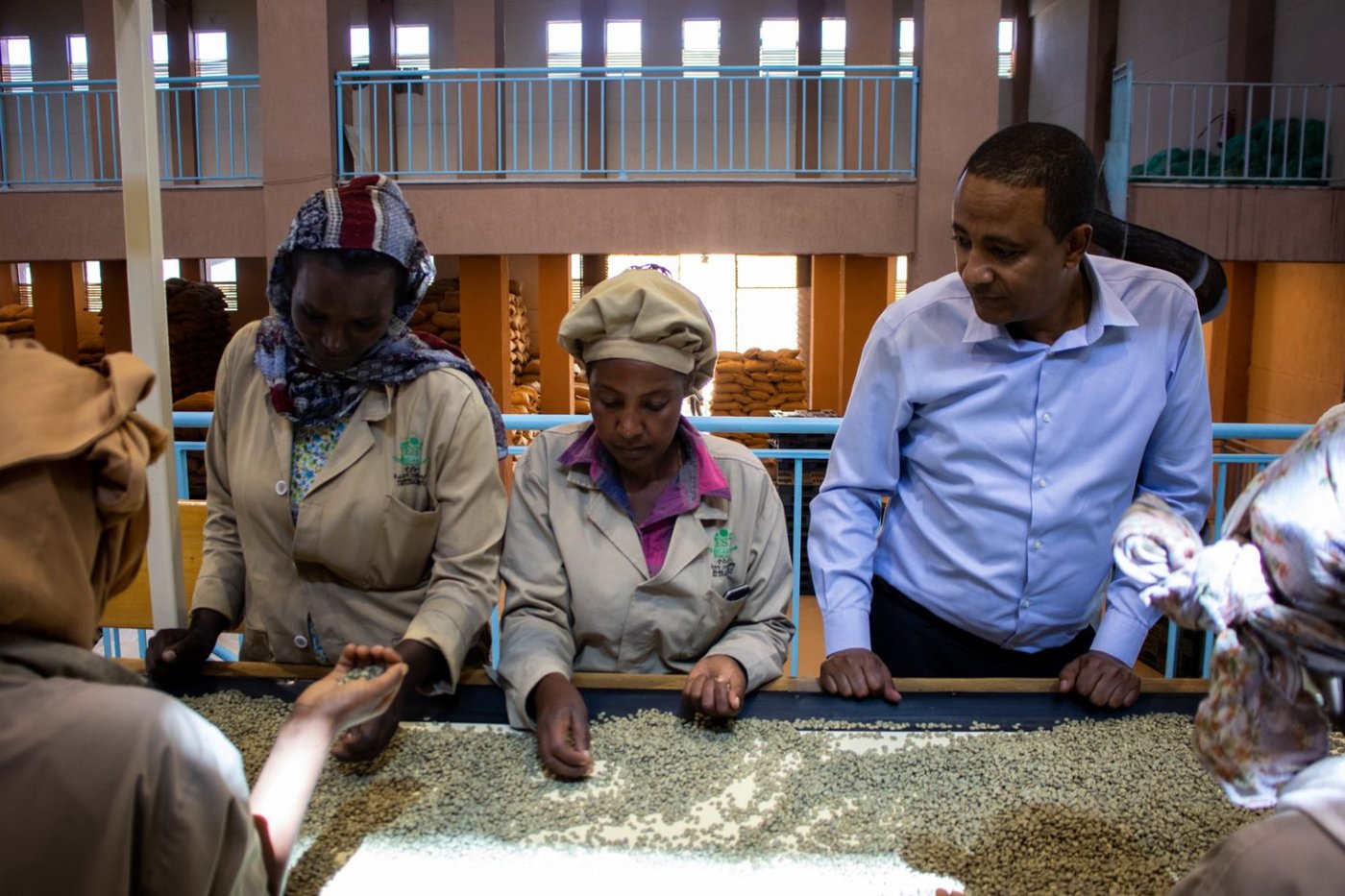
Mr Faysel, owner of Testi Coffee, at the dry mill

Mr Faysel, owner of Testi Coffee, at the dry mill


The producers

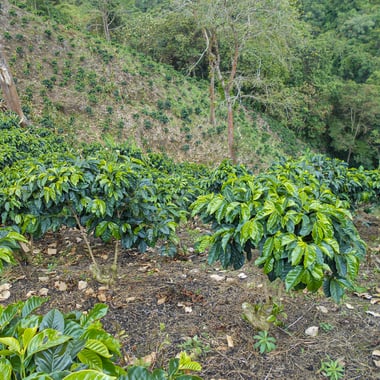
Most families that contribute to the site farm organically on tiny plots of land, averaging less than one hectare in size. Coffee is their main cash crop and grows alongside food crops of corn, grain and bananas under the shade of native Birbira, Wanza, and Acacia trees.


The 74148 variety

We’ll let the importers Melbourne Coffee Merchants talk a bit more about this variety, which, as we said, featured for the first time in our offerings:

“For many years, most Ethiopian coffees have been described as being a mix of cultivated and wild varieties, referred to as "heirloom varieties.” This is a term that is all-encompassing and used by many actors in the coffee industry to generally categorise Ethiopian coffee varieties that are from native forest origins. Whilst this describes many of the varieties found in Ethiopia, it is also a bit simplistic and does not acknowledge the varieties that are already locally recognised and cultivated, or those that have been specifically developed and widely distributed by the Jimma Agricultural Research Centre (JARC).

Sidama is home to many landrace varieties that were originally selected from the forest and have been propagated successfully for decades. There are five popular varieties that are named after indigenous trees in the area— Bedessa, Kudhumi, Mique, Sawe and Wolisho. There is little documentation on the history of these varieties, and it is hard to know if they represent a single plant or a wider group of varieties; however, it is widely accepted that they play a major role in the quality and floral flavour profile of the coffee from this region.

JARC varieties were developed using “mother trees” from Ethiopia’s coffee forests, and are now grown for disease and pest resistance, as well as exceptional cup profile, and are released by number. For example, 74110, 74112 and 74116 are all widely propagated in the Sidama growing region.“


This lot

This coffee lot was produced as part of Testi’s quality improvement initiative, Premium Cherry Selection (PCS). It is classified as Grade 1, the highest quality classification for Ethiopian coffees, indicating a great deal of effort has been put into selecting and grading during processing.

For this lot, carefully hand-picked coffee cherries were delivered to the Duwancho washing station, where they were carefully sorted, then pulped within 6-8 hours from picking and floated to select only the ripest and highest quality cherries.

Then, these went through a traditional Ethiopian washed method. The parchment-covered coffee is soaked in tanks of clean water from the local river Lugita, where it ferments for 48 hours. During this time, the water is replaced twice to ensure no spoilage occurs. This water also adds to the temperature stability of the fermentation, keeping it at an ambient 20.5–21.5˚C.

The beans are then dried on raised drying beds under a parabolic shade for up to 21 days, depending on weather conditions. During this time, the coffee is again sorted for defects and turned so it dries consistently. Finally, once it has reached the desired humidity, it’s rested, milled, packed and made ready for export.
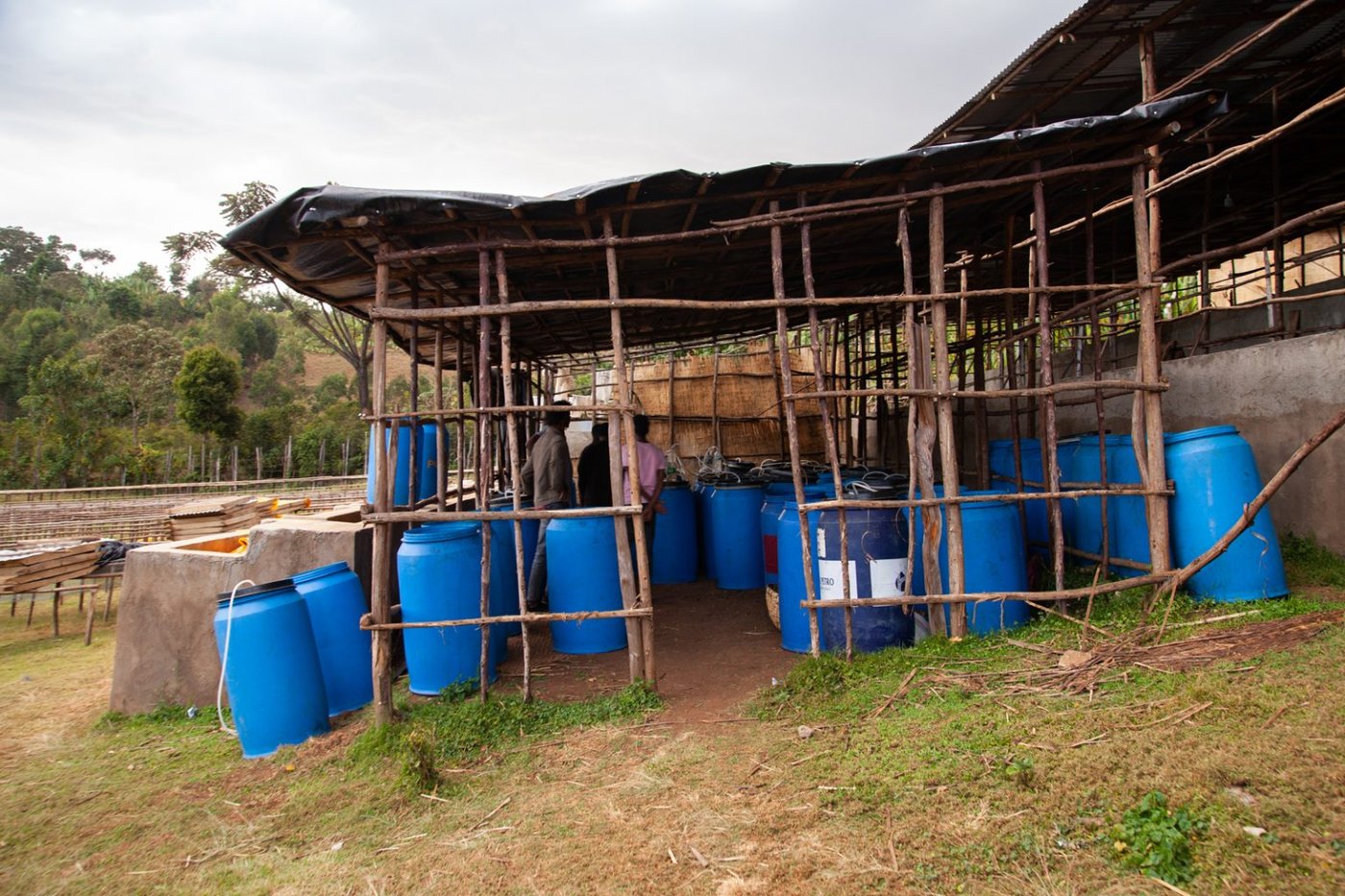
The fermentation storage area


Traceability

100% 74148 coffee beans, provided by Melbourne Coffee Merchants and roasted by us on Gadigal land / Sydney.

Country grade: Unknown ?


This page has all the sourcing information (variety, process, region, story, importer, harvest date, and more) that our importers share with us for public use.

Being transparent helps us to talk confidently about the quality and background of the products we sell. It also helps you to know exactly what you’re buying.

Learn more:
Coffee page transparency legend
Our coffee philosophy
Our business approach

Fresh harvest sourcing

We only source and roast coffee from each country’s latest harvest season (so the green coffee is never older than 1 year from the time of picking, processing and packing).

This ensures the sensory qualities are always at their peak and unaffected by excessive ageing.

Learn everything about this coffee:


Roasted for espresso and filter (best enjoyed black)

Roast style: omni. Omni roasts are designed to brew and taste great both as espresso and filter. Our omni single origins generally sit on Agtron values in the ~70-60 value range. So, technically, they are somewhere in the lighter side of the medium spectrum.

Designed for espresso and filter brewing. Best enjoyed black.


Learn more:
Our Loring Kestrel S35 roaster
Our roasting style and approach

Try our custom brewing recipes

Our recipes and ratios are tailored to our coffee sourcing and roasting styles, bringing the best flavour and feel out of each coffee.

For pour over, immersion, and other filter brewing styles, check all our brew guides.

For our espresso single origins, we recommend a coffee:yield ratio of 1:3:

  • Dose: 20g ground coffee
  • Yield: 60g espresso
  • Total brew time: ~24-28 seconds

This is just a starting point! We encourage you to experiment, taste, and adjust to find the recipe that you enjoy the most.


Learn more:
Our espresso brew guide (single origin)
Brewing ratio calculator

Packaging and materials

  • Bags: ABA-certified home compostable (AS 5810-2010)
  • Labels: recyclable
  • Valves (only on +250g bags): general waste
  • Box and tape (online orders): recyclable

Learn more:
Our packaging

Brewing coffee at home

Best brewed 15–49 days post-roast

When you leave your whole beans to rest (inside the sealed bag) until our recommended window, you’re brewing at optimum flavour and acidity.

This time allows for the gas compounds, absorbed during the roasting process, to leave the coffee. If you brew too early, it may not be bad, but you’ll miss out on each coffee’s best flavour.

Our recommended brewing window

FAQs

Do you ship anywhere in Australia?

Yes! We deliver our coffee and brewing gear Australia-wide, roasted to order and in compostable and recyclable packaging.

Do you ship internationally?

We ship coffee beans to select international countries. Check the list to see if we ship to your destination.

Can I buy pre-ground coffee?

Yes, we offer pre-ground options for different methods:


- Ground for domestic espresso (home espresso machine)
- Ground for stovetop (Bialetti)
- Ground for AeroPress / Kalita / Cold Brew / Moccamaster / Plunger / French Press (immersion style)
- Ground for V60/Chemex (pour over style)

Do you source your coffee ethically? How so?

We source our coffee from small growers, producers, and cooperatives through responsible importing companies; 95% of our green coffee beans are supplied by Caravela Coffee, Cafe Imports, Osito, and Melbourne Coffee Merchants (certified B Corporations), plus Condesa Co Lab, Cofinet, and a few more.

We share all the traceability information we have about each coffee lot (territory of origin, producer, variety, processing method, importer, quality grade) on each dedicated coffee page. This applies to the blend components in our espresso blends.

Learn more about our coffee philosophy.

Do you roast dark or light?

We roast our single origins using omni roast medium/light profiles. (Omni means you can use the coffee both for filter and espresso brewing, no need to buy different bean bags with specific roast styles.)

We roast our espresso blends using darker profiles.

Learn more about our approach to roasting.

What is ‘specialty coffee’?

The definitions and references to specialty coffee are tricky, if not controversial.

Historically, and as most people see it these days, specialty coffee is Arabica beans that score over 80 in the old Specialty Coffee Association point scale. Today, the SCA refers to specialty coffee as “a coffee or coffee experience that is recognised for its distinctive attributes, resulting in a higher value within the marketplace.”

Our single origins are Arabica +85 SCA score and our blend components Arabica +80, which could be considered ‘true specialty’ coffee. Though we prefer to use the term ‘high quality’ and back this claim with solid traceability data.

What’s the benefit of your coffee subscription?

When you subscribe, you get freshly roasted coffee delivered as often as you need, so you don’t have to be so hands-on in planning your coffee purchases.

Also, you get free shipping on every delivery, and you can cancel or pause whenever you need – no lock-in periods.

Can I buy these beans in your coffee shops?

Yes, definitely! You can walk into any of our cafes in Sydney (or our wholesale network) and grab what’s available on the shelves. You can also buy online here and select free pickup from the Sample Coffee stores.


See all our FAQs

Sample Coffee Roasters warehouse in St Peters, Sydney

With love, from Sample

We’re an independent coffee roasting company based in Gadigal land / Sydney, Australia

We’ve been sharing exceptional coffees since 2011, with a particular focus on rotating single origins, ethical sourcing, and homebrewing accessibility.

Our daily work is driven by quality, consistency, transparency, and fun. This approach has slowly and organically connected us with a community of homebrewers and professionals who value how we do business and, above all, love delicious coffee beyond the hype.

Learn about us

Current coffees

All our current coffees